Winter Wheat Crop Scouting Tips for 2026
March 30, 2026
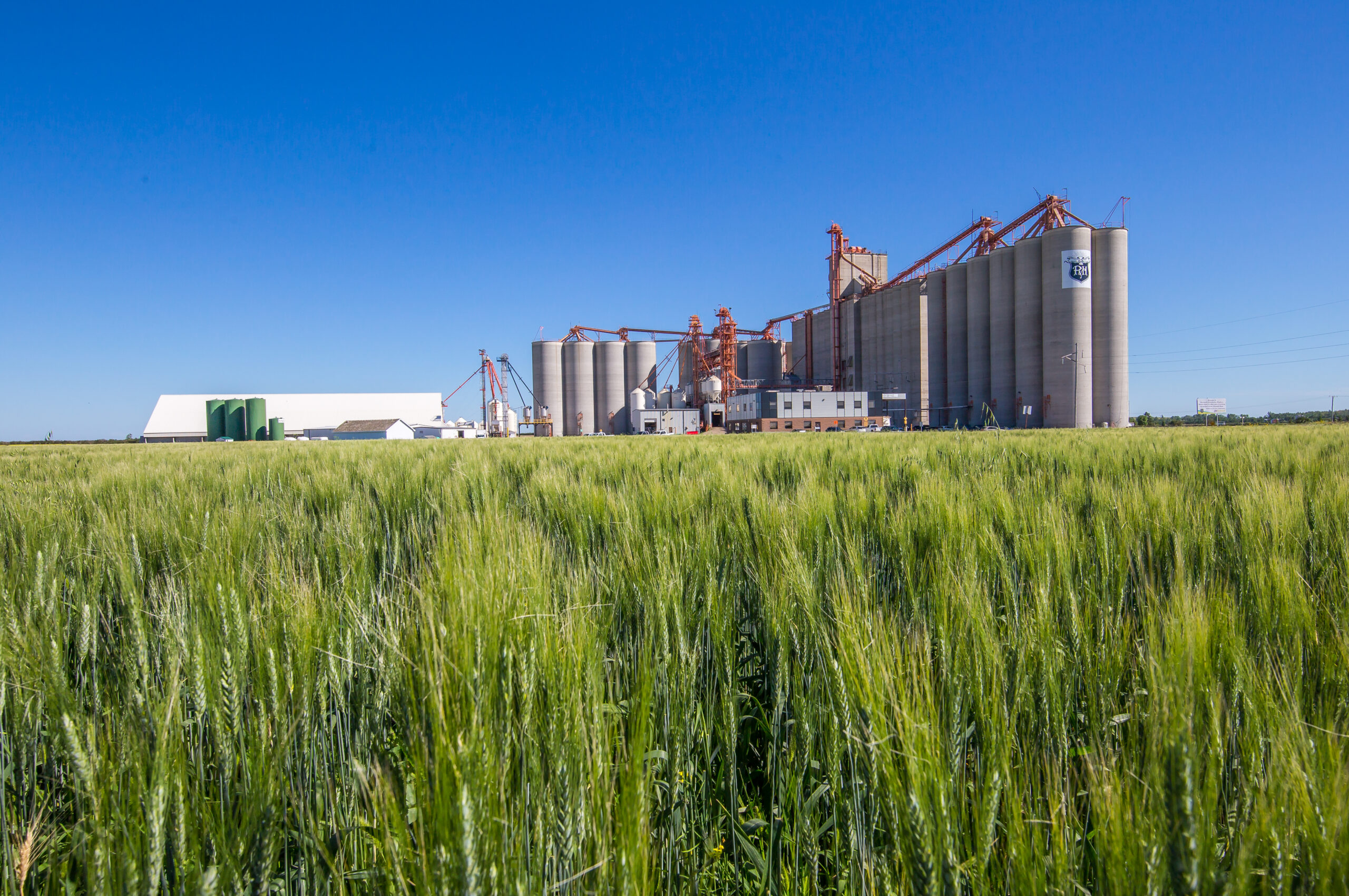
As the calendar finally turns to spring, Ontario farmers are getting ready to assess their winter wheat. Tim Meulensteen, Agronomist and Certified Crop Advisor, Ontario (CCA-ON) C&M Seeds shared an update on how the early season went and what farmers need to look out for.
The winter wheat growing season so far
Ontario farmers planted one million acres of winter wheat this year, which is similar to last year’s acreage and the five-year average. In most regions, the ground conditions were quite good during seeding. Acres planted early emerged fast, while some areas suffered extreme drought and saw delayed and varied emergence. Temperatures stayed warm into the fall and most growers were satisfied with the establishment ahead of winter.
Ontario experienced a longer-than-usual winter with a large amount of snow accumulation, with snow starting to accumulate the last week of November. As of late March 2026, snowbelt regions are still seeing remaining piles of snow. This is a contrast to last season when a thaw melted the snow cover in late December 2024. While a snow blanket helps protect and insulate winter wheat from extreme cold temperatures, it can also pose other potential problems.
What’s on the crop scouting priority list this spring?
Mould will be the main concern during scouting assessments in the coming weeks as the snow gives way to meltwater and the crop breaks dormancy to grow. At the same time, areas with heavy saturation or ponding in the fields will also need assessment. We expect powdery mildew pressures o be very heavy, especially on more sustainable varieties, so it will be important to monitor your crop. Early fungicide treatment will help provide protection.
Crop stand is also a key item on the crop scouting checklist. If you are hesitant about whether your crop has survived well enough to keep, apply a portion of your fertilizer and give the crops some time to grow. If they’ve emerged from the snow looking green, they are likely to still turn brown or look weathered as the cold winds affect exposed leaves. Wait for the weather to warm up before making your decision. A good of thumb is to wait (if you can) until your grass is grown enough to cut.
Scout the stand, determine the consistency and density, and make a plan from there. Nic Walby, Assistant Manager at our P&H Kerwood location, says that the ideal number of plants is about 16-18 per row; counts of fewer than 10 plants per row would require some consideration on whether or not to keep the stand.
How winter wheat is shaping up
Looking at conditions today, this year’s winter wheat crop holds the same potential as it did last year, which is exciting as 2025 was a record crop year in many areas.
Assess your winter wheat crop with expert support through our crop scouting services. Our team of trained agrologists at your local P&H provides comprehensive assistance from a thorough assessment of your fields to tailored recommendations for crop protection and nutrition.