Insect Crop Scouting: 2026
June 12, 2026
Insect crop scouting involves a lot of planning and prep work before stepping foot into the field. Being armed with the knowledge of a certified agrologist can make it easy and straightforward. We talked to our agrologists Jacylyn Gibson (Congress, SK), Kendall Pratchler (Moosomin, SK), Jonathan Marcotte (Moose Jaw, SK), and Brett Oosterbroek (Wilson Siding, AB) to learn about how to create an insect management strategy that works for you, your crops, and the environment.
Taking stock of the situation
An insect management strategy can be defined, for the most part, by answering a few questions:
- Which crops are being grown?
- What are the potential insect pressures based on the crop and the area it’s growing in?
- At what point in the season would these insects cause potential harm to the crops?
- To get an accurate read of the population, what time of day are the insects most active?
In southeastern Saskatchewan, farmers should be on the lookout for flea beetles (especially in weather above 14*C) and cabbage seedpod weevils in canola, aphids in peas, wheat midge, and grasshoppers (which prefer broadleaves, but will eat anything including alfafla, soybeans, lentils, flax, wheat, barley, and oats). In recent years, diamondback moths have also come to the area from the south.
In southern Saskatchewan, farmers should scout for cutworms and grasshoppers (in cereals, canola, and pulses), sawflies (in wheat and durum), aphids (in peas and cereals), flea beetles (in canola), Bertha armyworms (in canola, mustard, and flax), and wheat midge (in cereals).
Farmers in southern Alberta should scout for flea beetles and cabbage seedpod weevils in canola, grasshoppers and wireworms in barley and wheat, and cutworms in canola, grass, wheat, and barley. In dry seasons, grasshoppers, flea beetles, and lygus bugs become a concern. During a cool and wet spring, wireworms and cutworms could pose a threat.
Key times for crop scouting
Crop scouting should be done right at seeding and all throughout the season until harvest. Crop injury is most severe early in the season as the plants are emerging, but some insects may not be active until later.
There are specific times that canola growers should pay close attention to any insect threats:
- Seeding (for wire and cutworms)
- Cotyledon stage and podding (for flea beetles)
- Flowering (early for cabbage seedpod weevils, then for lygus bugs)
For cereals, farmers should scout during:
- Seeding (for wire and cutworms)
- Flag leaf and flowering (for grasshoppers, which hatch in late May/early June)
- Emergence of wheat heads (for wheat midge)
For peas and lentils, farmers should scout at these stages:
- Early in the season, before seeding and in the early growth stages (for pea leaf weevils)
- Early flowering (for grasshoppers)
- When 50-75% of pea plants are flowering (for pea aphids)
- Full flower for lentils (for aphids)
It’s also important to consider the time of day when scouting for insects. Flea beetles are most active when it’s warm and calm, while grasshoppers feed in the morning when it’s cooler. Scouting for wheat midge is best done on a calm evening when temperatures are above 15*C.
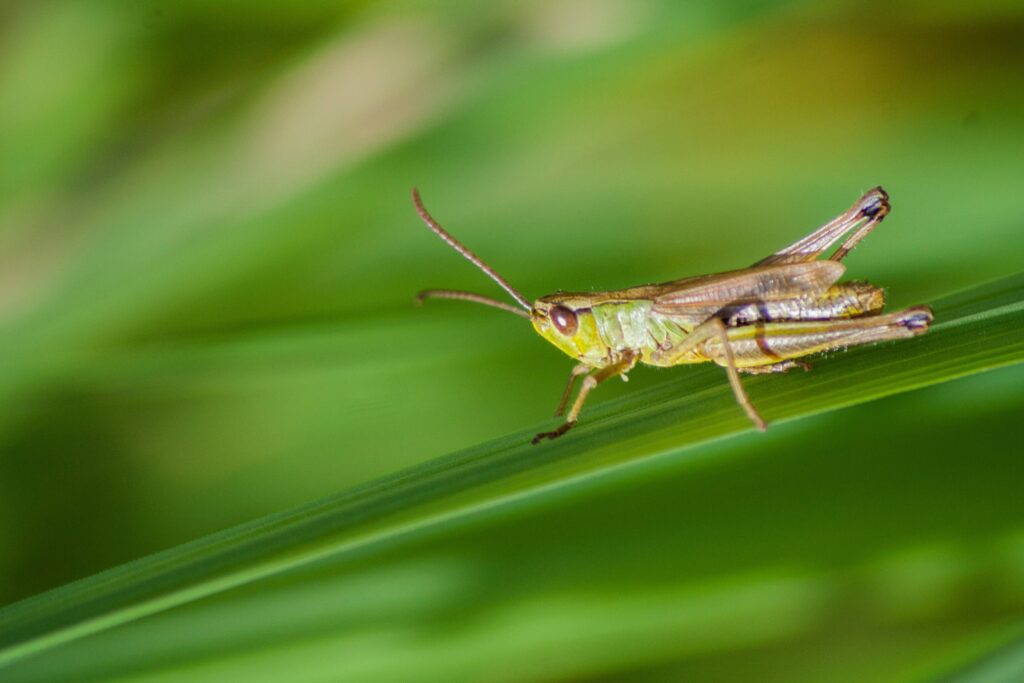
Based on your answers and recommendations from your local P&H agrologist (around factors such as pest pressures and economic thresholds), you can then determine the best crop scouting plan for your operation. Most scouting programs recommend once-a-week checks, and, depending, on the time of season, it may be good to increase frequency.
Knowing what insects are helping vs. harming
Applying insecticides without taking beneficial insects into consideration can do more harm than good, as not all insects cause damage to crops. An effective insect management strategy considers the importance of and takes care not to harm beneficial insects.
Beneficial insects fall into two categories: pollinators and predators/parasitoids. Pollinators, especially valuable for flowering crops like lentils, chickpeas, canola, and flax (which are not self-pollinating). Honeybees, bumble bees, butterflies, and moths are just a few examples of pollinators in Canada.
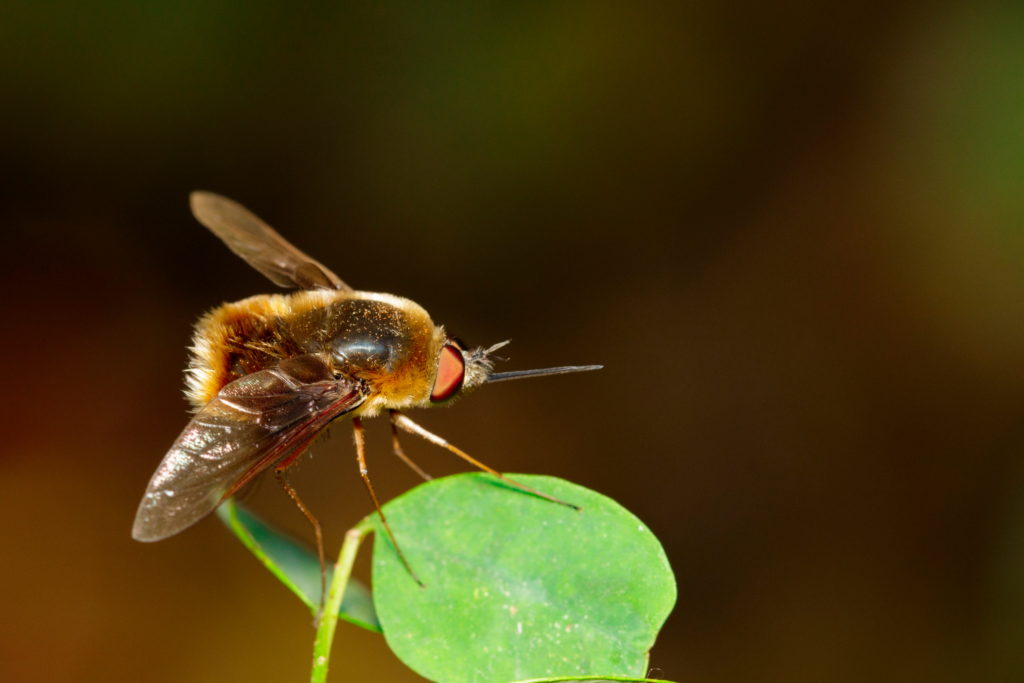
Predators and parasitoids help keep populations in check. Lady beetles, also known as ladybugs, are natural predators of aphids, and bee flies and predators of grasshoppers and cutworms.
Check out available resources
Canadian farmers have access to extensive resources in insects, both pests and beneficials. Your local P&H agrologists have access to local data and can recommend resources that are most relevant to your area. Here are some sources that are helpful for crop scouting:
- The Prairie Pest Monitoring Network, which has timely and prairie-specific information from entomologists across Alberta, Saskatchewan, and Manitoba.
- Crop protection guides from provincial governments, which we recommend every farmer have in their sprayer.
- The Field Heroes Pests & Predators Field Guide from the Western Grains Research Foundation, which has information on crops, common pests (what they look like and how to find them), and the predators and parasitoids of those pests.
- Industry associations such as the Canola Council of Canada and the Saskatchewan Pulse Growers have extensive resources on managing pests and protecting pollinators.
- There are several resources where you can check the economic threshold of different pests such as the Canola Council of Canada, the Government of Saskatchewan, and this list of Economic Thresholds for Pests.
- Your neighbours. Check local social media and talk to them about what they are seeing and what they are spraying.
Provincial governments also provide resources such as surveys and risk maps on pests like grasshoppers, diamondback moths, Bertha armyworms, pea leaf weevils, wheat stem sawflies, and wheat midges. We recommend that, when asked, farmers allow researchers to survey their lands to help keep these resources as accurate as possible.
The crop scouting checklist
Now that you’re ready to head out into the field, here are some tools we recommend bringing with you:
- A sweep net;
- a small shovel or trowel;
- a hand light or head lamp;
- a field guide with photos, such as one of the resources above;
- and a small container for samples, like an old pill bottle.
The fine line of insecticide application
The most important part of adding insecticides to your insect management strategy is to be intentional about application. A broad application of insecticide may kill pests, but harm beneficials. It’s critical to properly identify the pest as well as beneficials and determine whether the crop is at a stage that makes it susceptible to damage and/or economic loss. If a spray application is necessary, your local P&H agrologist can help you find products to target specific pests.
Visit your local P&H to get started on your insect management strategy today.